Grooves for the Quiet Hours: The Vinyl Case for Dennis Lloyd's Sparse Sound
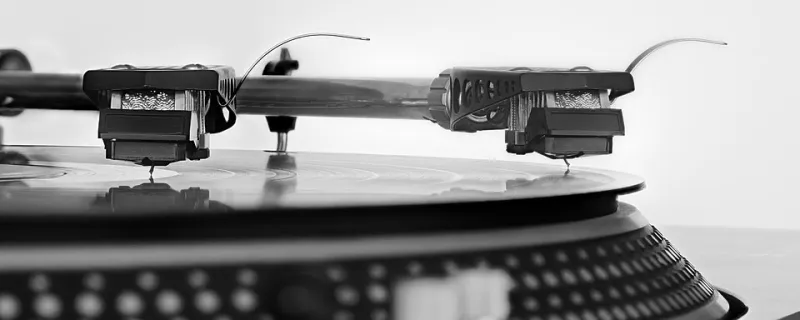
Photo: Franz van Duns, CC BY-SA 4.0, via Wikimedia Commons
Streaming made Dennis Lloyd's catalog portable. It also made it a little too easy to treat his songs as background music. That is the argument for a vinyl pressing in 2026: not because plastic automatically beats a playlist, but because his best arrangements reward the kind of listening a record player asks for. The bass sits low. The reverb hangs in the air. The hooks arrive after a beat of silence. Those are not just stream-friendly quirks. They are room-filling details waiting for a format that lets them breathe.
Why Sparse Sounds Need Physical Space
Dennis Lloyd's music is often called minimal, but minimal does not mean empty. A track like 'Nevermind' works because every element has a job. The bass line carries the melody. The vocal stays close and conversational. The space between sounds is as deliberate as the sounds themselves. On streaming, that space can get squeezed by earbud mixes, laptop speakers, and the endless next-track button. On vinyl, the listener is less likely to skip the quiet parts. The format encourages a full-side commitment, and that is exactly what this catalog wants.
There is also a physical reason. Vinyl's grooves translate low-end weight and midrange warmth in a way that flatters bass-forward, reverb-heavy arrangements. A well-cut record does not need to be loud to feel full. Dennis Lloyd's music already uses restraint as a production choice. A vinyl master could lean into that restraint instead of chasing streaming loudness. The result would be less about volume and more about presence: the sense that the singer is in the room, not just in the queue.
The US Vinyl Comeback Is Not Just Nostalgia
US listeners have spent years rebuilding physical collections, and the revival is not limited to classic-rock reissues. Record Store Day lines include teenagers. Target and Walmart exclusives sell out. Independent stores have become community hubs again. In 2026, a Dennis Lloyd pressing would not be a novelty for collectors who only buy vintage. It would be a natural fit for fans who already own modern pop records and want a tactile version of the music they stream all year.
That matters because Dennis Lloyd's audience is not a monolith. Some found him through late-night playlists. Some heard 'Nevermind' on the radio and never left. Some are vinyl-curious listeners who want a small, curated shelf rather than a wall of records. A thoughtful pressing could serve all three groups without pretending to be a luxury box set. The goal should be accessible, well-made, and true to the music.
Sequencing a Hypothetical 'Nevermind' Pressing
If a 2026 vinyl release centered on the 'Nevermind' era, sequencing would be the make-or-break decision. The temptation is chronological. The better approach is emotional. Side A should establish the pulse: the familiar bass-driven hooks, the clipped vocals, the songs that made Dennis Lloyd a late-night name. Side B should widen the frame with later material that shows how the sound has evolved. A gatefold sleeve could hold lyrics and a short note about the sessions, but the real luxury would be restraint. No unnecessary bonus tracks. No filler. Just a sequence that feels like one continuous listen.
The tracklist should also respect side breaks. Vinyl forces pauses, and those pauses can become part of the mood. Put the most intimate song at the end of a side. Let the listener flip the record and land in a slightly different atmosphere. That is not a compromise. It is a creative opportunity that streaming does not offer in the same way.
What a 2026 Pressing Should Get Right
First, the mastering should be handled by someone who understands vinyl, not just digital delivery. The bass needs weight without causing the needle to jump. The reverb needs air without turning to mud. Second, the packaging should feel like Dennis Lloyd, not like a generic limited edition. Sparse design. Strong typography. A color palette that matches the after-hours mood. Third, the pressing should be widely available in the US, not a scalper's dream. A standard black vinyl edition plus a limited color variant is enough. Fans should not have to pay import prices for a record that belongs in American stores.
Finally, include a download card. Physical and digital do not have to be enemies. The record is for the ritual. The download is for the commute. That combination respects how people actually listen in 2026.
The Case in One Groove
Dennis Lloyd's music does not need vinyl to be valid. It already works on phones, in cars, and in the background of a hundred late nights. But his sound has a physicality that streaming often flattens. A vinyl pressing would not make the songs better. It would make the listening different. For US fans rebuilding their shelves, that difference is worth asking for.