When the Loop Breathes: Five Moments That Make Dennis Lloyd’s 2026 Shows Hit Harder
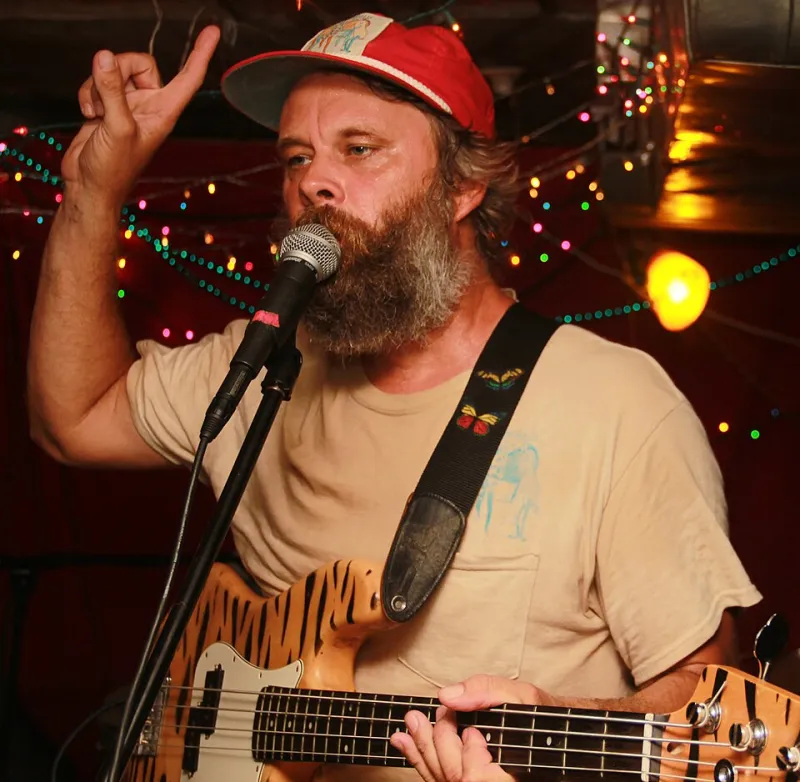
Photo: C.S. Jones, CC BY-SA 4.0, via Wikimedia Commons
Headphones flatter Dennis Lloyd. They put the whistle in the center of your skull, tuck the bass under your ribs, and make every whispered vocal feel like a secret. A US club or festival field is a far less polite listening room. The low end competes with bar chatter. The hi-hats disappear into the wind. A chorus that sounded huge in your car suddenly needs bodies, speakers, and air to feel huge again.
That gap between the studio file and the living moment is where Dennis Lloyd’s 2026 live shows get interesting. His catalog is built on loops, negative space, and hooks that arrive early. Onstage, those choices stop being production tricks and become physical events. The songs do not get bigger by adding more stuff. They get bigger by letting the room hear what was always missing.
Here are five live moments to listen for when his loop-driven pop leaves your headphones and hits a US stage.
1. The Whistle Before the Beat
‘Nevermind’ begins with a signal, not a song. The whistle is instantly recognizable, and in a club it does something a stream cannot: it turns a crowd into a chorus before the first drum hit. Watch what happens in the half-second after the opening phrase. Phones go up. Heads turn. People who were talking at the bar swing back toward the stage.
On a festival field, that whistle has to travel farther. The wind can eat it. The delay between the speaker stack and the back row can smear it. When it works, the effect is almost tribal. The audience supplies the rest of the loop before the band has finished the first bar.
2. The Empty Beat Before the Chorus
Dennis Lloyd’s arrangements often leave a hole right before the payoff. A verse will be voice, bass, and a clipped percussion tick. Then everything drops for a breath. On record, that silence is controlled. Live, it is full of people. You hear a room inhale. You hear somebody shout the first word of the chorus a second too early.
That is the studio-to-stage gap in miniature. The silence is no longer a production choice. It is a shared pause. In a US club, the pause pulls the audience forward. At a festival, it makes the next chorus feel like a release valve. The songs hit harder because the crowd is briefly part of the arrangement.
3. The Bass That Arrives After the Hook
In ‘Leftovers’ and other groove-forward tracks, the low end does not always announce itself first. The hook lands, the vocal settles, and then the bass walks in like it owns the room. On headphones, that bass is a texture. On a club system, it is a chest massage. On festival subs, it is a small weather event.
This is why his songs can feel polite on a laptop and rowdy in a venue. The low end changes the posture of the song. US crowds respond to that shift. In Brooklyn, people nod. In Los Angeles, they sway. In Chicago, somebody in the back starts a two-step that has nothing to do with the tempo and everything to do with the bass.
4. The Whisper That Becomes a Shout
Dennis Lloyd uses whispers as layers, not as gimmicks. Stacked quietly, they create intimacy. Live, those layers have to be rebuilt by a single voice, a room, and a microphone. That is where songs like ‘Anxious’ or ‘GFY’ can surprise casual listeners. The recorded version sounds controlled. The live version sounds like a conversation that keeps escalating.
The key moment is not the loudest note. It is the transition. When the whisper cracks into a full-throat delivery, the crowd often follows. People who came for the chill playlist suddenly shout the hook back. The song does not lose its late-night mood. It just proves the mood had a pulse all along.
5. The Crowd as the Final Loop
The best Dennis Lloyd live moments happen when he stops pretending the audience is outside the song. A vocal hook gets dropped. A whistle line gets left hanging. The crowd fills it in. That is the final loop, and it cannot be replicated in a studio.
On the 2026 US run, this is the test that matters most. Not whether the songs get louder, but whether they get more communal. A club crowd can make ‘Nevermind’ feel like a singalong. A festival crowd can make it feel like a shared memory. Either way, the song changes. The bass, the silence, and the crowd noise become part of the mix.
Why the Live Test Still Matters
Dennis Lloyd’s catalog is often described as minimalist, but live it is not empty. It is carefully spaced. The whistle needs air. The bass needs a floor. The whisper needs a room quiet enough to hear it, and a crowd loud enough to answer it. That is the real 2026 live test: can a song built from small parts fill a big US room without losing its late-night intimacy?
The answer, night after night, is usually yes. The songs do not transform because they become more complicated. They transform because the audience becomes part of the arrangement. Headphones give you the loop. A stage gives you the breathing room.